

By Kieran Buckley — Founder of My Crypto Guide · Category: Australia
Bitcoin Self Custody Basics (Australia)
Bitcoin self custody in Australia means holding your Bitcoin in a wallet where you control the keys — not an exchange, app, or platform. It’s the simplest way to remove “platform risk” and make sure your access to Bitcoin depends on you, not a third party.
📑 Table of Contents
What Self Custody Actually Means (In Plain English)
“Self custody” simply means you hold Bitcoin in a wallet where you control the private keys (your secret access). Bitcoin doesn’t care about your name, address, or which exchange you used — ownership is proven by who controls the keys.
When Bitcoin sits on an exchange, the exchange holds the keys and you’re trusting them to stay solvent, stay online, and let you withdraw whenever you want. That’s not always a problem for short-term buying, but it’s a risk for long-term holding.
If you’re still at the “how do I even buy it?” stage, you’ll want to read how to buy Bitcoin in Australia first — then come back here for the “how to store it safely” part.
Why Australians Choose Self Custody
Australians tend to be practical with money — we like things that “just work.” Exchanges are convenient, and for many people they’re a good starting point. The issue is that convenience can quietly turn into complacency: you buy Bitcoin, plan to move it later, and months pass.
Self custody is the point where Bitcoin becomes what it was designed to be: a bearer asset you can hold directly. No approvals. No withdrawal limits. No platform “maintenance.” Just ownership.
If you’re building your Australia-specific knowledge base (exchanges, security, taxes, and common local questions), the Australia Crypto Guides hub is the best place to browse everything in one spot.
Hot Wallets vs Cold Wallets (Basic Setup)
A hot wallet is connected to the internet (usually a phone app). It’s great for learning and for small amounts, but it relies on your phone being secure and your habits being careful — clicking the wrong thing can still cause damage.
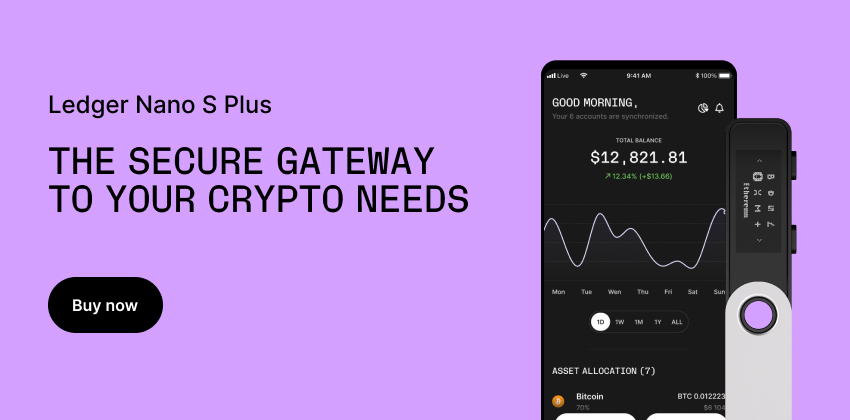
A cold wallet (hardware wallet) keeps your keys offline. That single design choice removes a huge number of attack paths. If you want to go deeper than “offline = safer,” read the Cold Storage Deep Dive .
A simple beginner rule: keep small spending amounts on a hot wallet (if you even need one), and store meaningful savings in cold storage.

The Recovery Phrase (Seed Words): The Part You Must Get Right
When you create a self-custody wallet, you’ll be shown 12 or 24 words. This is your recovery phrase (seed phrase). It’s the master backup that restores your Bitcoin if your phone breaks, your hardware wallet is lost, or you move to a new device.
This is the part most people underestimate: the device is replaceable, but the recovery phrase is not. If someone gets a copy of it, they can take your Bitcoin. If you lose it and the wallet is gone, your Bitcoin can become unrecoverable.
The safest approach is boring (which is good): write it down carefully, store it somewhere private, and only ever type it in when you are deliberately restoring your wallet.
A Simple Self Custody Plan for Australians
If you want a beginner plan that avoids most mistakes, here it is: buy Bitcoin, withdraw to a wallet you control, and store your recovery phrase safely. Then repeat slowly over time.
The two most common problems are (1) leaving Bitcoin on an exchange “just for now,” and (2) rushing the backup step. Do a small test withdrawal first. Confirm it arrives. Then move larger amounts once you’re confident.
Self custody is less about being technical and more about being consistent: slow, deliberate, and careful beats “fast and clever” every time.
Is Self Custody Legal in Australia? What About Tax?
Yes — Bitcoin self custody is legal in Australia. You can hold Bitcoin in your own wallet and move it without needing permission from anyone. Storage method doesn’t change whether Bitcoin is “allowed”; it only changes who controls access.
Tax is separate. If you sell, swap, or otherwise dispose of Bitcoin, that may be a taxable event. If you want a clean explanation of what the ATO focuses on (and what it doesn’t), read how crypto tax works in Australia .
The big takeaway: self custody is about reducing platform risk and improving personal security — it doesn’t exempt anyone from tax rules.
Bitcoin self custody in Australia isn’t about being hardcore — it’s about ownership. Once you control your keys, you remove third-party risk and gain reliable access to your Bitcoin long-term.
Start small, do a test withdrawal, protect your recovery phrase, and build confidence over time. Self custody is a skill — and once you’ve learned it, it’s one of the safest ways to hold Bitcoin.
Mini-FAQ
Is self custody safe for beginners?
Do I still need an exchange in Australia?
What happens if I lose my wallet device?
Disclaimer: This content is general education only and not financial, legal, or tax advice. Always do your own research and consider your personal circumstances.