

Build a foundation before you invest — short lessons, no jargon, real-world examples.
If you’re new, this shows how the same $10,000 would have grown in three places: Bitcoin, the S&P 500 (with dividends), and a U.S. home-price index. Same start dates, same end date. No hype—just simple numbers.
How $10,000 grew — BTC, S&P 500 (with dividends), U.S. home prices
| Asset | 5 years: $10k → Today | 10 years: $10k → Today | 15 years: $10k → Today |
|---|---|---|---|
| Bitcoin (BTC) USD | $102,229 | $4,066,685 | $16,536,885,714 |
| S&P 500 (with dividends, USD) | $19,887 | $39,070 | $77,126 |
| U.S. home prices (national index, USD) | $14,947 | $18,978 | $22,440 |
Curious how your house deposit might perform if you’d invested it in Bitcoin instead? Try our calculator to compare property equity vs BTC growth over time — with adjustable rates and assumptions.
A quick true-to-life story
Two friends, Mia and Dan, each had $10,000 five years ago. Mia was curious about Bitcoin but nervous, so she split her money: most into an S&P 500 fund, a small slice into BTC. Dan put everything into the index because that felt safe.
They both did one clever thing: they promised each other they wouldn’t touch the money for five years. No panic selling. No chasing price. They checked in once a year, over coffee, and rebalanced to their original split.
Five years later, both are ahead. Dan’s steady fund doubled. Mia’s small BTC slice grew a lot more and pulled her total higher—because she sized it small enough to sleep at night. What mattered most wasn’t a secret strategy. It was a simple plan they could actually follow.
No hype. Just the foundations you need to make sense of Bitcoin.
Quick definitions
- S&P 500 (with dividends): Big basket of U.S. companies. Dividends counted as if reinvested.
- Home-price index: Average U.S. home prices. Doesn’t include rent, taxes, or costs of owning.
- Bitcoin (BTC): Digital asset with fixed supply. Price can move quickly. Markets are open 24/7.
How to read the numbers
These are “then vs. now” snapshots for context—not predictions. Your result depends on when you buy, fees/taxes, and whether you hold during rough patches. A small position you can hold usually beats a big position you can’t.
Simple safety basics
- Use an exchange with strong security and two-factor authentication (2FA).
- Practice with a tiny amount first. Send a test transaction to yourself.
- Write down your recovery phrase on paper. Keep it private and offline.
Hardware wallets (Ledger & Trezor)
When you’re ready to store for the long term, a hardware wallet keeps your keys off your phone and laptop. Buy from the official stores only.

Ledger (Nano X / Nano S Plus)
- Works with phone and desktop. Wide coin support.
- Good if you sign transactions more often.
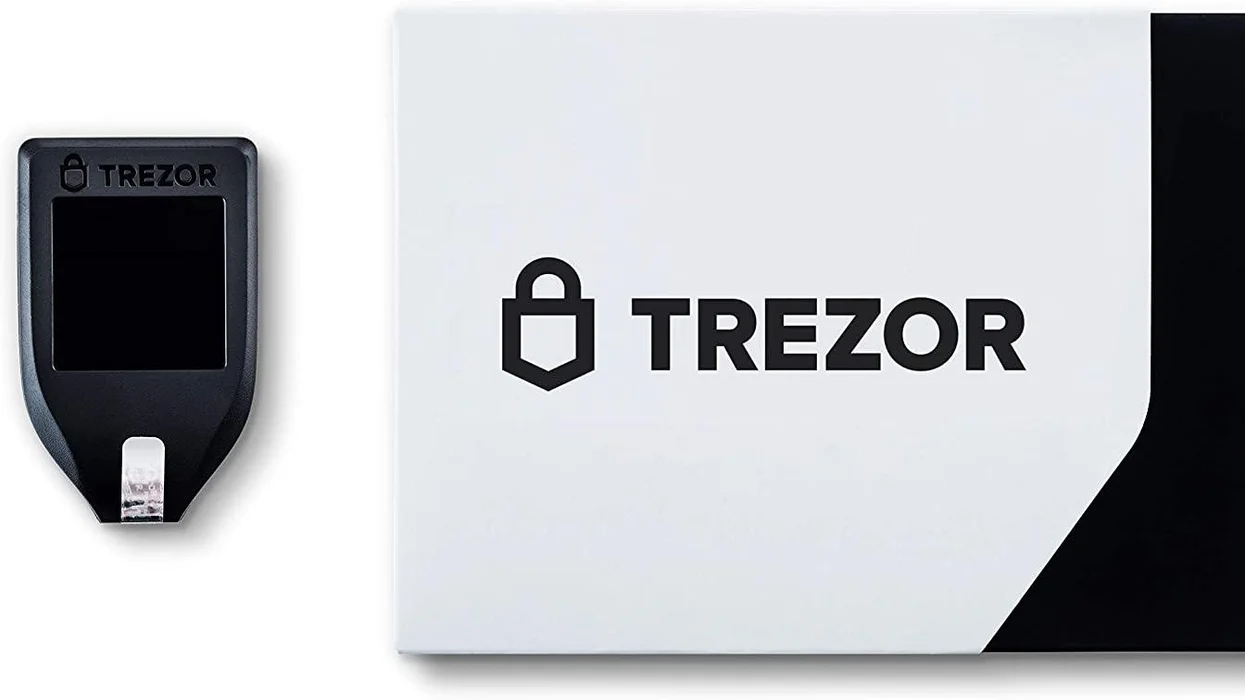
Trezor (Model T / Safe 3)
- Simple setup. Open-source software.
- Great for “buy and hold” with occasional use.
Tip: store your recovery phrase in two safe places. Never type it into a website. Never take a photo of it.
Wrap-up
Picture this: it’s a quiet Sunday. Your phone pings—prices jump, then drop. It feels like a rollercoaster. The truth is simple: big wins usually come with big swings. That’s why how you invest matters as much as what you invest in.
Over long stretches, Bitcoin often wins on growth. Stocks compound steadily. Home prices move slowly and come with real-life utility. The trick is choosing a mix you can hold through noisy weeks without second-guessing yourself.
Memory hook — the 3 P’s: Plan your mix, Protect your keys, Pace your buys.
- Plan: a small BTC slice + a core index fund beats “all or nothing”.
- Protect: 2FA, test sends, and a hardware wallet for long-term holds.
- Pace: buy in steps (DCA or small limits) so swings don’t rattle you.
One-sentence rule: A small position you can hold beats a big position you can’t.
What to do next
- Today (10 minutes): Write your mix on paper (e.g., 2–5% BTC, rest S&P). Turn on 2FA.
- This week: Do a <$20 test buy. Send a tiny test to your own wallet. Take notes on what felt unclear.
- When comfortable: Order a hardware wallet and move funds you plan to hold long term.
- Going forward: Buy on a schedule (weekly/monthly). No chasing. Rebalance once or twice a year.
Free Beginner Course — plain English lessons to build confidence before you invest.
This guide is for education. It’s not personal advice. Please consider your own situation and speak with a licensed professional if you’re unsure.