

Bitcoin grows fastest in developing countries because people use it for real problems — inflation, remittances, and unreliable banks. Here’s why adoption leads here first.

Is Bitcoin mining bad for the environment? This beginner-friendly guide debunks outdated claims and shows how renewables, wasted hydro, and methane capture power today’s miners.

Discover the 6 properties of good money in plain English and see how Bitcoin compares to gold and traditional currencies.
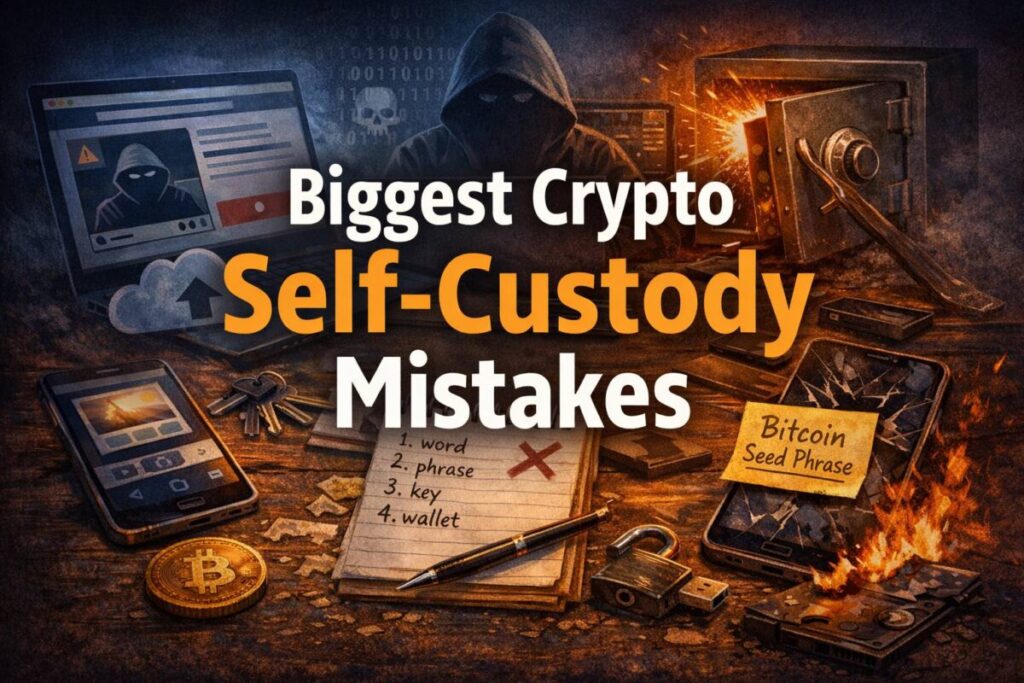
Most new Bitcoin holders make the same self-custody mistakes — weak backups, mixing up wallet types, and over-trusting exchanges. This guide breaks down the biggest beginner errors in simple, practical language so you can secure your Bitcoin with confidence.
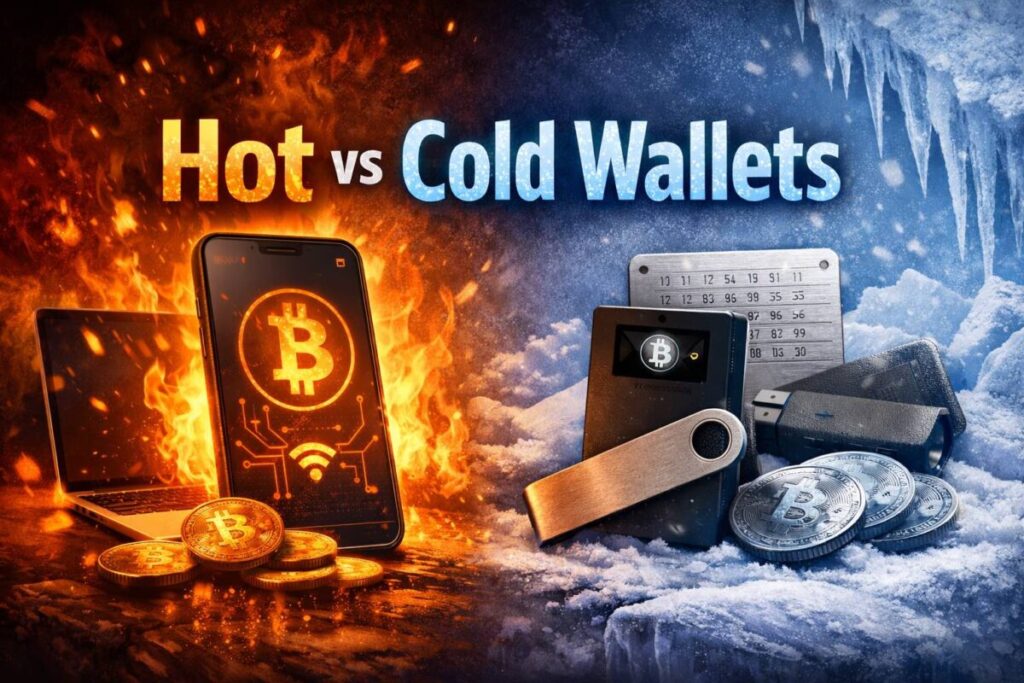
Hot wallets are convenient but more exposed. Cold wallets are safer for long-term storage. Learn the difference and choose what fits you.
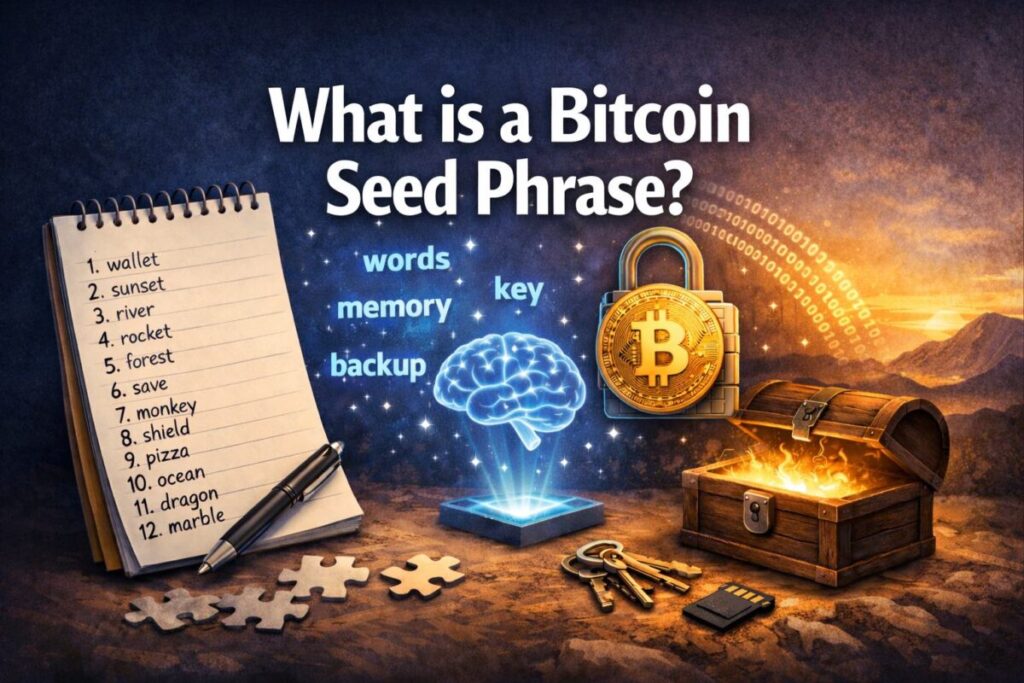
A Bitcoin seed phrase is your wallet’s master backup. This guide explains what it is, how it works, and how to keep it safe in simple, beginner-friendly language.

Learn what a Bitcoin private key is and why it gives you full control over your money. A simple, clear guide for beginners starting with self-custody.
What is Bitcoin self-custody? A beginner-friendly explanation of keys, wallets, backups, and the safest first steps to protect your Bitcoin.
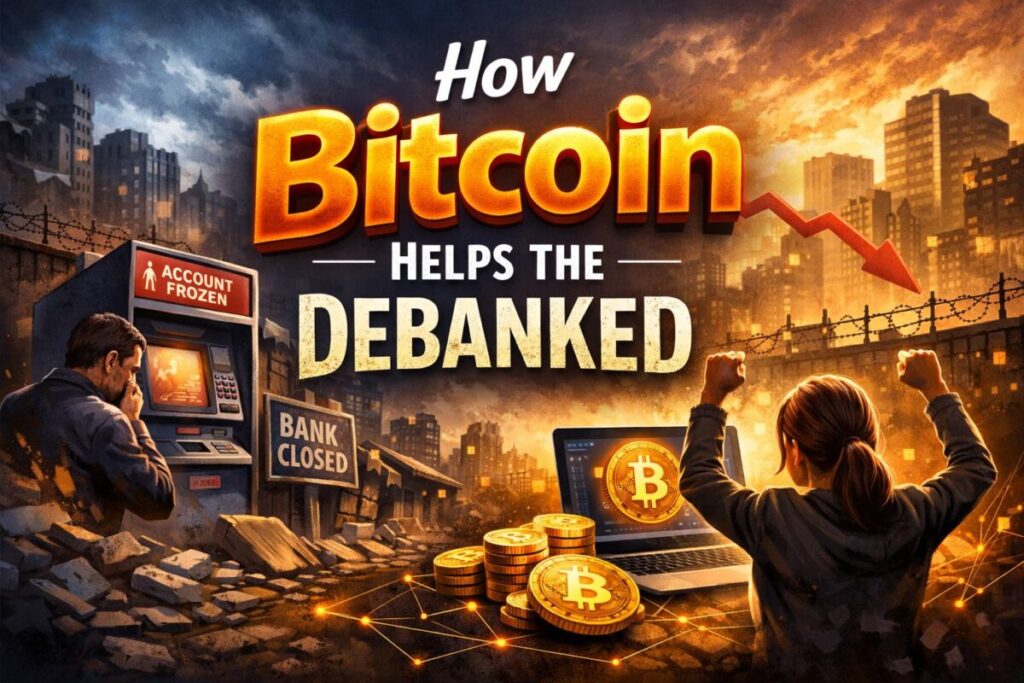
Many people are getting debanked worldwide. Here’s what “debanked” means, why it happens, and how Bitcoin can help when traditional banking access is limited.
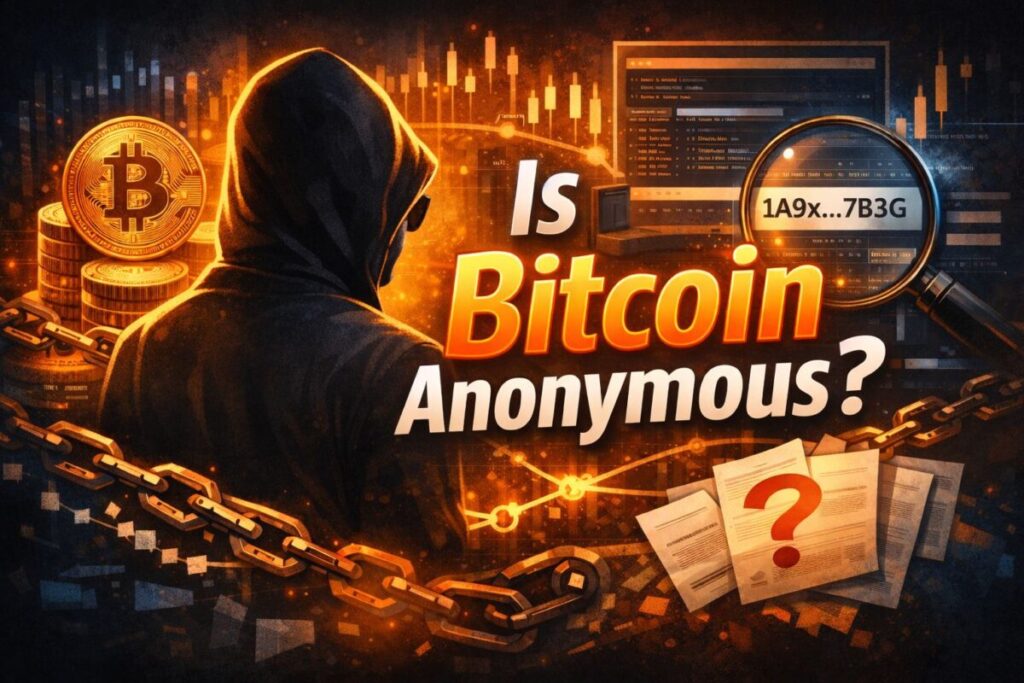
Is Bitcoin Anonymous? Not exactly. Bitcoin is public and traceable, but you can improve privacy with safer habits and smart tools.