
Dollar-Cost Averaging Bitcoin in Australia | Crypto Guide
A calm, step-by-step guide for everyday Australians who want to invest in Bitcoin regularly without stressing about timing the market. If you’re building your knowledge across the bigger Aussie landscape, you can also explore our Australia Crypto Guides for related tools and plain-English explainers.

What is dollar-cost averaging?
Dollar-cost averaging (often shortened to DCA) is a simple investing habit: you put in the same amount of money on a regular schedule, no matter what the price is doing. For example, you might buy $50 of Bitcoin every week or $200 every month.
Instead of trying to pick the “perfect” time to buy Bitcoin, you just follow your rule. Sometimes you’ll buy when the price is higher, sometimes when it is lower. Over time, the prices you paid average out – which is where the name “dollar-cost averaging” comes from.
For new investors in Australia, this can take a lot of pressure off. You don’t need to stare at charts or guess the bottom. You just stick to your plan.
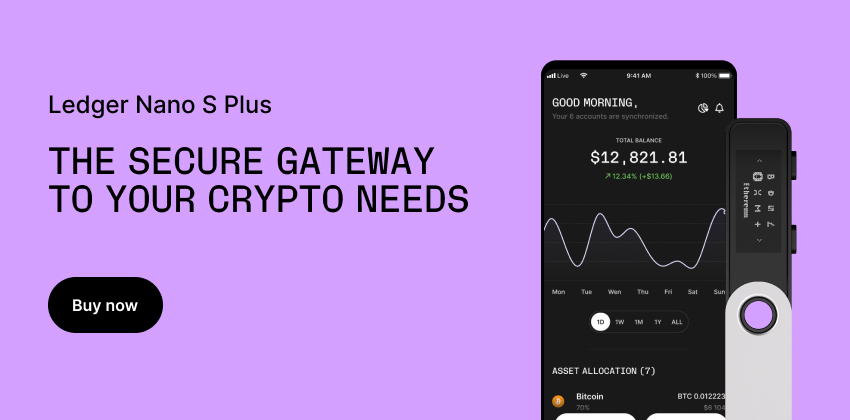
Crypto Security Tip: Before you start a DCA plan, decide where your Bitcoin will live long term. Keeping large amounts on an exchange is risky. A hardware wallet (a specialised offline device) is usually the safest option for bigger balances.
Why Aussies use DCA for Bitcoin
Bitcoin is famous for doing the exact opposite of what your emotions want. It can fall sharply in a short period, then rebound hard later. That kind of movement can tempt people into panic-buying at the top and panic-selling at the bottom.
DCA gives Australian investors a calmer path. Here are a few reasons it’s popular:
- Less stress: you don’t have to pick “today” as the perfect entry point.
- Better discipline: your savings move into Bitcoin regularly, like super contributions.
- Works with pay cycles: many Aussies set their DCA to match their weekly or fortnightly pay.
- Removes FOMO: if the price pumps, you know you’re still buying a small amount next week.
On the My Crypto Guide home page, the whole goal is exactly this: helping you build calm, repeatable habits instead of emotional guesses.
Simple DCA example in Australian dollars
Let’s say you decide to invest $100 per week into Bitcoin for a year. That’s 52 weeks, so you’ll put in a total of $5,200.
Over that year, the Bitcoin price will move around — sometimes a lot. Some weeks your $100 buys a slightly bigger slice of Bitcoin, other weeks it buys a smaller slice. The key point is that you’re collecting lots of entry points rather than betting everything on a single day.
After 12 months, you can add up all the Bitcoin you bought and divide your total spend ($5,200) by your total Bitcoin amount. That’s your average buy price.

Now zoom the idea out over a longer period. Imagine you had been quietly investing $200 per month for five years. That’s 60 months, so you would have put in $12,000. Over a full market cycle, that kind of steady habit can look very different to waiting on the sidelines and hoping to “buy the bottom” (which is harder than it sounds).
It’s not a guarantee of future returns — just a simple illustration of how consistency through different market conditions can help you avoid the all-or-nothing timing trap.
How to dollar-cost average Bitcoin in Australia
The good news is that setting up a DCA plan in Australia is fairly straightforward. Here’s the basic flow in plain English first, then we’ll add the crypto terms.
1. Choose a platform you’re comfortable with
You’ll need a place to actually buy the Bitcoin. In Australia, most people use a local crypto exchange (a website or app where you can swap Australian dollars for Bitcoin). If you like simple, look for an exchange that supports AUD deposits and recurring buys.
Whichever platform you choose, make sure it supports recurring buys or scheduled orders. That’s the feature that lets you automate your DCA plan.
2. Decide your amount and schedule
Next, choose an amount that genuinely fits your budget. For many Aussie households, that might be $25–$50 per week to start, especially while you’re learning. Consistency beats size.
Then choose a schedule that lines up with your income:
- Weekly on your payday
- Fortnightly to match your salary
- Monthly on a specific calendar date
In crypto terms, this regular plan is your dollar-cost averaging strategy. In plain English, it’s just your “automatic Bitcoin savings rule”.
3. Move coins to safer storage over time
Once your recurring buys are running, your balance will slowly grow. For smaller amounts, it’s common to leave them on the exchange while you learn. But as your stack increases, it becomes more important to move coins into safer storage, such as a hardware wallet (a dedicated offline device).
Think of it like this: the exchange is a busy shopping centre, while a hardware wallet is a safe bolted to your floor at home. Both have their place, but you wouldn’t leave your life savings in the food court.
Crypto Security Tip: When you’re ready to move Bitcoin off an exchange, start with a small “test withdrawal” first. Send a tiny amount to your hardware wallet to confirm the address and process before moving a larger balance.
Risks, safety and common mistakes
DCA is a helpful habit, but it doesn’t magically remove risk. Bitcoin is still a volatile asset, and its price can fall sharply — sometimes right after you’ve bought some. Here are a few common traps to avoid:
- Over-committing: setting your DCA too high so you feel pressured and end up cancelling it.
- Checking the price every hour: which defeats the point of having an automatic plan.
- Jumping in and out: stopping the plan whenever the price drops, then restarting after it rises again.
- Ignoring security: building up a decent stack on an exchange and never thinking about storage.
A good rule of thumb is to treat Bitcoin like any other long-term, higher-risk investment: only use money you can afford to leave alone for years, and make sure you understand how to keep it safe.
Is DCA right for you?
Dollar-cost averaging is not the only way to buy Bitcoin, but it’s one of the most beginner-friendly approaches for Australians who:
- Want exposure to Bitcoin over time, not a one-off bet
- Have regular income and can set aside a modest amount
- Prefer rules and routines over guesswork and FOMO
If you’re still in “learning mode”, you might start with a very small DCA plan while working through the guides and lessons inside the Crypto Education Hub.
Wrap-up: a calm way to step into Bitcoin
You don’t need to be a trader, chart expert or full-time crypto person to build a position in Bitcoin. Dollar-cost averaging turns it into a repeatable habit: choose an amount, pick a schedule, automate the buys, and keep learning in the background.
For Australians, this fits neatly around everyday life — especially if you treat it like a long-term savings rule, not a quick punt. Combine a sensible DCA plan with good security and ongoing education, and you’re already well ahead of most “winging it” investors.
If you’d like to deepen your understanding, head back to the My Crypto Guide home and explore more guides, tools and resources before deciding on your next step.
Mini FAQ: DCA and Bitcoin in Australia
1. Is dollar-cost averaging Bitcoin safe?
DCA doesn’t remove risk — Bitcoin can still go down — but it can reduce the chance of buying everything at a short-term peak. You’re smoothing out your entry price over time instead of making one big decision on one day.
2. How much should I DCA into Bitcoin each week?
A common starting point is a small amount like $20–$50 per week while you learn how Bitcoin, exchanges and wallets work. The “right” amount is whatever lets you stay relaxed and consistent without touching money needed for bills, savings or emergencies.
3. Can I stop or change my DCA plan later?
Yes. Most Australian exchanges let you pause, cancel or edit recurring buys at any time. You’re not locked into a contract — you’re simply creating an automatic rule that you control.
4. Should I DCA into other cryptocurrencies as well?
Many beginners start with Bitcoin only, because it has the longest track record and the simplest story. Other coins often carry higher risk and more complexity. If you expand beyond Bitcoin, make sure you understand the project and the risks first.