

Free Crypto Courses
Build a foundation before you invest. Explore three free courses that walk through Bitcoin, blockchains, DEXs, and more in plain English.
You can start anytime from the My Crypto Guide home page or browse all paths in the Crypto Education Hub.
Decentralised Exchanges (DEXs): The Easy, Plain-English Guide
A decentralised exchange (DEX) lets you swap one crypto for another straight from your wallet. No sign-ups, no bank holds. Think of it like a vending machine for tokens — you choose what you want, confirm the price, and a smart contract dispenses the new token back to you.
DEX in One Sentence
A DEX is an app on a blockchain where you trade with a smart contract instead of a company — that’s why it’s called a decentralised exchange. If you’d like to zoom out and see where DEXs fit in the bigger picture, you can click here to explore our Blockchain Guides hub.
Why People Use DEXs
On a DEX you stay in control of your money (self-custody), there are usually lots of tokens available, and it’s open 24/7. There’s no account review, no “your withdrawal is pending”. Your wallet talks directly to the smart contracts.
The trade-off is that you pay network fees (gas), prices can move quickly, and you have to double-check what you’re actually buying — there’s no help desk to fix mistakes.
How a DEX Swap Works (Like Buying a Snack)
1) Connect your wallet. Your wallet is your “card”. The DEX never holds your money; it just asks permission.
2) Approve spending (one-time per token). You tell the contract it can use a limited amount of your token — this is a token approval.
3) See a quote. The DEX shows how much you’ll get after fees; this includes a tiny pool fee and network gas.
4) Confirm. You press Swap and sign in your wallet. Your request goes to the blockchain for processing.
5) Done. When the transaction confirms, the new token appears in your wallet. You can see the swap on a block explorer.
Crypto Security Tip: Keep approvals small (only what you need). Later, revoke old approvals using a trusted revocation tool. This reduces risk if a site is hacked.
What Can Go Wrong? (And How to Avoid It)
Fake tokens. Anyone can create a token with a similar name. Always paste the official contract address from the project’s real website or documentation.
Thin liquidity. Small pools move the price a lot. If the “price impact” number looks high, trade a smaller amount or look for a pool with deeper liquidity.
Too-high slippage. Slippage is the max price move you’ll accept. Start low (for example 0.3–0.5%). Only raise it if your transaction keeps failing — and never jump to huge numbers without understanding why.
Phishing. Scammers run look-alike websites or fake wallet pop-ups. Bookmark the real DEX URL and avoid links from random DMs, comments, or ads.
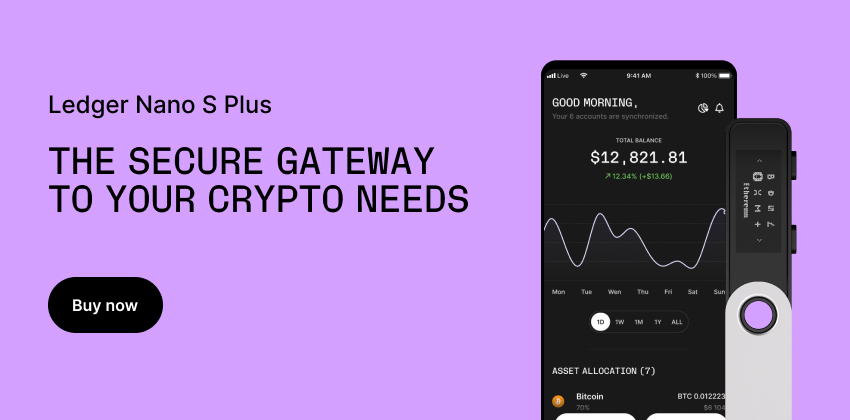
Crypto Security Tip: Use a hardware wallet for bigger balances and buy directly from the manufacturer. Always read the transaction details on the device screen before you approve.
Fees, Slippage & Price Impact — Plain English
Gas: A small network payment that pays the computers running the blockchain. Busy times cost more; quiet times are cheaper.
Slippage: A safety guard. If the price moves more than your limit while the trade is processing, the swap cancels so you’re not badly overcharged.
Price Impact: How much your trade size nudges the price in the pool. Bigger trade + smaller pool = bigger price impact.

Free Crypto Starter Pack
Get the key guides, tools, and lessons you need to understand DEXs, wallets, and wider crypto — without the hype.
- 5 core crypto guides in plain English
- Access to investment calculators to test scenarios
- Free beginner-friendly courses and micro lessons
Quick Start: Your First Safe Swap
Step 1: Open a trusted DEX and connect your wallet. Double-check the URL and bookmark it.
Step 2: Paste the correct token contract address for both tokens (from the project’s site or docs).
Step 3: Start tiny with a test trade. Keep slippage low; raise it slightly only if the transaction keeps failing.
Step 4: Check the route summary, fees, and “price impact”. If anything looks odd, stop and re-check the token and pool.
Step 5: Confirm in your wallet and wait for the checkmark (confirmation). Then verify your new balance, ideally on both your wallet and a block explorer.
Mini Glossary (Plain English First)
Wallet: Your crypto account and keys — the app that asks you to “sign”.
Smart contract: A small program on the blockchain that runs exactly as written when conditions are met.
Liquidity pool (AMM pool): A pot holding two tokens. Its maths sets the price as people trade.
Approval: Permission for a contract to spend a specific token from your wallet.
Gas fee: The fee paid to process your transaction on the network.
Slippage: Your allowed price wiggle room during the swap.
In Short: DEXs in Plain English
A DEX is a token-vending machine that lives on a blockchain. You connect your wallet, approve a small spend, check the quote, and press Swap. The smart contract exchanges your tokens in a pool and the new ones arrive in your wallet. You pay a small network fee, keep control of your keys, and avoid centralised withdrawal limits — but you must be extra careful about fake tokens, high slippage, and phishing sites.
Wrap-Up & Next Steps
Decentralised exchanges are one of the clearest examples of what blockchains make possible: peer-to-peer trading without a company in the middle. Once you understand approvals, gas, slippage, and liquidity pools, the experience becomes far less intimidating — and much more empowering.
The key is to treat every DEX trade as a small, deliberate decision. Start with tiny test swaps, use hardware wallets for larger balances, and keep learning how the underlying tech works through guides like this and the resources in our Crypto Education Hub.
When you’re ready for the next step, you can explore how smart contracts and DEXs fit into the wider DeFi world by visiting the My Crypto Guide blog or returning to the My Crypto Guide home page to choose your next learning path.
Decentralised Exchanges – Quick FAQ
Do I need an account to use a DEX?
No. Most DEXs don’t use accounts, logins, or KYC. You connect your wallet, approve a token, and trade directly with smart contracts. Your wallet is your identity — which is powerful, but also means you’re responsible for your own security.
Are DEXs cheaper than centralised exchanges?
Sometimes. You don’t pay deposit or withdrawal fees, but you do pay network gas fees and a small pool fee on each trade. On busy networks gas can be expensive, so it’s worth comparing total costs for your specific trade size.
Can I lose everything in one DEX trade?
You can lose money if you buy a worthless token, fall for a scam contract, or set extreme slippage, but a single swap can only move the specific tokens you approve and sign for. Keeping approvals small, double-checking addresses, and starting with tiny test trades greatly reduces the risk of a big loss in one go.
Free Crypto Courses
Turn this DEX overview into a solid foundation. Our free courses start with the basics and build up to topics like wallets, exchanges, DeFi, and security.
You can move through the lessons at your own pace and revisit them anytime as you keep exploring the crypto world.
Disclaimer: This article is for educational purposes only and is not financial advice. Cryptoassets are volatile and risky. Always do your own research and never invest more than you can afford to lose.