
How Bitcoin Treasury Companies Work
By Kieran Buckley · Category: Bitcoin Guides
Wondering how do Bitcoin treasury companies work in practice? This plain-English guide explains why big firms add BTC to their reserves, how they actually buy it (often via OTC), how they custody coins safely (cold storage and multi-sig), what they report, and the risks to consider—so you can borrow the best parts for your own plan. If you’d like more step-by-step explainers, you can also visit our Bitcoin Guides hub.

Build your foundations with our Free Crypto Courses
Learn the fundamentals the right way and step into the crypto world with clarity and confidence.
What is a “Treasury” (in plain English)?
A company’s treasury is simply its savings and working cash (called treasury reserves). Think of it like your household buffer: the money set aside to pay bills, handle surprises, and keep opportunities open. A Bitcoin treasury company is a firm that chooses to keep part of those savings in Bitcoin instead of just cash. Once you’re done with this guide, you can keep exploring similar topics in our Media Hub.
Why Companies Hold Bitcoin
1) Hedge against inflation — Cash loses purchasing power over time; Bitcoin has a fixed supply (only 21 million), which some view as a stronger long-term store of value.
2) Diversification — Spreading reserves across different assets (called asset allocation) reduces reliance on any single currency.
3) Strategic signal — Holding BTC can brand a company as forward-thinking and crypto-native, attracting customers, talent, and partners.
Crypto Security Tip: If this inspires you to self-custody, buy hardware wallets only from the official stores and verify packaging (this avoids supply-chain tampering). To learn more about protecting your recovery words, you can click here to read our Seed Phrases Guide.
How Do Bitcoin Treasury Companies Work? (Step by Step)
1) Decision & policy — Leadership drafts a simple “treasury policy” stating why and how much Bitcoin to hold, plus risk limits.
2) Approval — The board (like a company’s “family council”) signs off. Public companies disclose material moves to shareholders.
3) Buying the Bitcoin — Firms use regulated exchanges or OTC desks (over-the-counter brokers) to purchase in chunks to avoid moving the price too much.
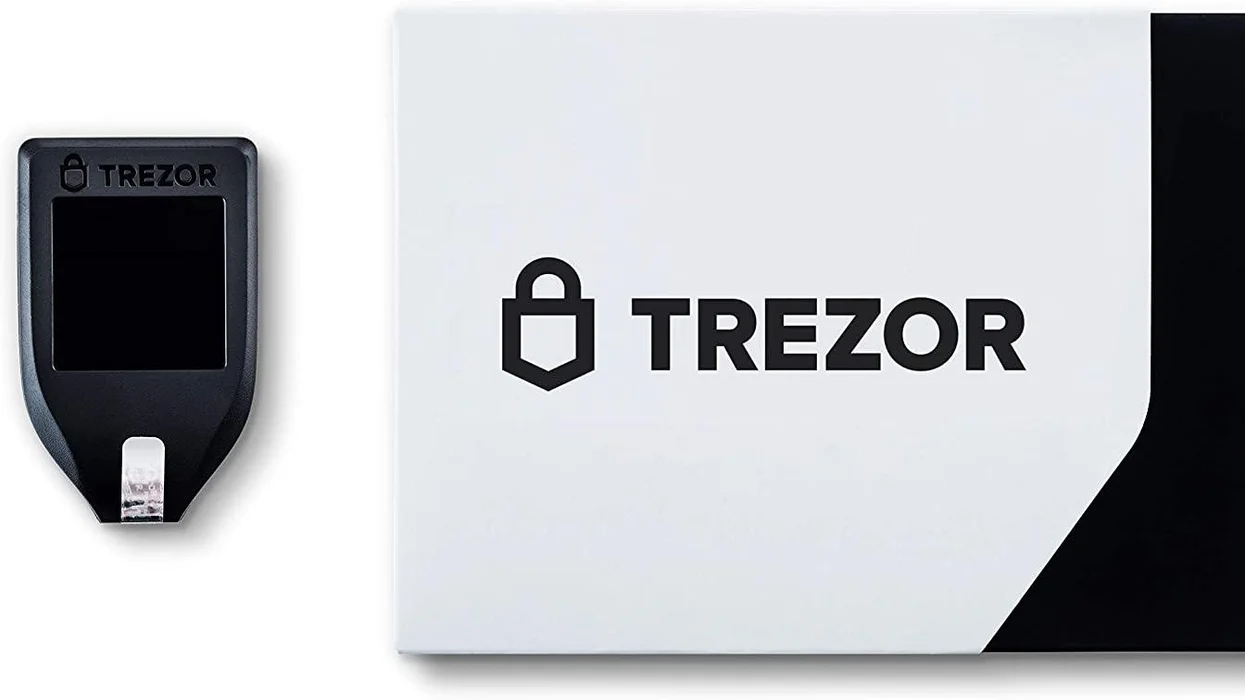
4) Custody & security — Coins are stored in cold wallets (offline), with multiple approvers (multi-sig) or a professional custodian. Access is controlled by process, not just tech.
5) Accounting & reporting — Accountants record BTC on the balance sheet and report gains/losses based on relevant standards (GAAP/IFRS). In short: value can swing; disclosures explain those swings.
Crypto Security Tip: For business holdings, separate “spending” wallets from “savings” (called a hot/cold wallet split). This limits damage if a hot wallet is compromised.
Cold Storage in Practice (Image)


Real-World Examples (and Lessons)
MicroStrategy: Famous for a large, long-term Bitcoin position to preserve purchasing power. Lesson: Clear policy and conviction reduce panic during volatility.
Tesla: Bought BTC, later reduced its position. Lesson: Corporate objectives can shift; communicate changes early.
Block (Square): Bitcoin aligns with the product mission. Lesson: Alignment between product strategy and treasury makes decisions easier to defend.
Free Crypto Starter Pack
Short, practical emails to help you build a safe foundation before you invest.
- 5 core crypto guides in plain English
- Access to investment calculators to test scenarios
- Free beginner-friendly courses and micro lessons
Risks You Should Know
Volatility: Prices move quickly. Treasury policies should set ranges and stick to them.
Regulation & accounting: Rules evolve. Public companies must disclose clearly and often.
Operational risks: Poor key management or unclear processes can lead to loss or internal mistakes.
Why This Matters to You
When serious companies hold BTC, it signals growing legitimacy. More importantly, their methods offer a personal blueprint: define a policy, choose a safe custody method, and manage risk with discipline. If you want a simple starting point, you can click here to explore our free Micro Lessons. You can also visit our Crypto Education Hub to explore tools and guides before you act.
Wrap-Up
Bitcoin treasury companies are doing a business-grade version of what many individuals consider: moving some savings into a scarce, digital asset. They document a policy, buy carefully, store securely, and report transparently. You can borrow the best parts of that playbook—minus the corporate complexity.
Start small, learn the basics, and focus on safe custody. Knowledge compounds, and so does conviction when you understand what you own. To keep learning, you can head back to the My Crypto Guide home page.
Mini-FAQ
What is a Bitcoin treasury strategy?
It’s a plan for how a company holds Bitcoin as part of its savings (treasury reserves). The policy defines the “why,” “how much,” where to store coins (custody), and how to manage risk and reporting. Clear rules prevent emotional decisions during price swings.
How do companies actually buy Bitcoin?
They typically use regulated exchanges or OTC brokers to split large orders into smaller chunks. This reduces market impact and improves execution. Settlement and wallet custody are agreed up front before the first trade.
Do companies sell during downturns?
Some do; others commit to long-term holding. The difference is policy. If the policy is long-term savings, they ride out volatility. If Bitcoin is held tactically (short-term), they may rebalance or exit when risk limits are hit.
Can small businesses hold Bitcoin too?
Yes. Many start with a modest percentage and focus on simple, safe custody (e.g., a reputable hardware wallet). Separate spending from savings and document who can approve moves. Clarity beats complexity.
Build your foundations with our Free Crypto Courses
Learn the fundamentals the right way and step into the crypto world with clarity and confidence.
This article is educational content and not financial advice. Always do your own research and consider speaking to a licensed professional.
- Home: https://mycryptoguide.co/
- Bitcoin Guides hub: https://mycryptoguide.co/bitcoin-guides/
- Media Hub (Blog): https://mycryptoguide.co/blog/
- Crypto Education Hub: https://mycryptoguide.co/crypto-education/
- Micro Lessons: https://mycryptoguide.co/micro-crypto-lessons/
- Seed Phrases Guide: https://mycryptoguide.co/seed-phrases-and-recovery/
- Crypto Courses: https://mycryptoguide.co/crypto-courses/