
Is Bitcoin Anonymous?
Free Crypto Courses
Build a foundation before you invest.
Start with 3 free courses + 1 advanced paid option.
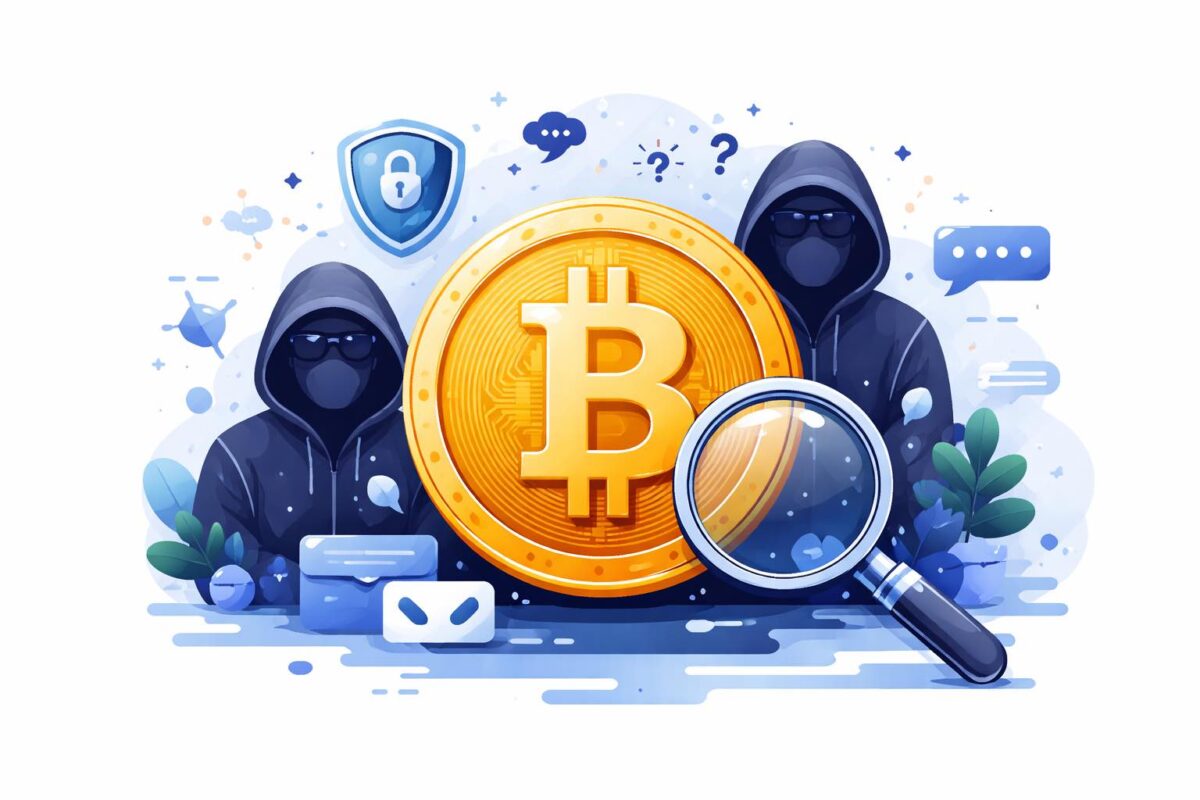
Is Bitcoin anonymous is one of the most common questions beginners ask — and it’s a smart one. Bitcoin addresses don’t look like names, so it’s easy to assume nobody can see what you’re doing. The truth is more nuanced: Bitcoin is public by design, and privacy depends heavily on how you use it. If you’re learning the basics, you can start with our Bitcoin Guides hub.
In this guide, we’ll explain what “anonymous” really means, why Bitcoin is better described as pseudonymous, how identities can become linked to addresses, and the simplest privacy habits that reduce risk without doing anything complicated or sketchy. No hype — just the practical reality.
What People Really Mean by “Is Bitcoin Anonymous?”
When people say “anonymous”, they usually mean one of two things: (1) your real identity doesn’t appear on a transaction, and (2) nobody can connect the activity back to you later. Bitcoin mostly helps with the first — it doesn’t print your name on-chain — but it does not guarantee the second.
Bitcoin is a public network. That’s how it stays trustworthy without a central company. The trade-off is that transaction data is visible. If an address becomes associated with you — through an exchange account, a screenshot, a donation page, or simple address reuse — then your activity can become much easier to follow.
Crypto Security Tip: Avoid posting your Bitcoin address publicly unless you’re comfortable with the idea that anyone can watch future payments to it. Use a wallet that generates a fresh receive address for each payment (called address reuse prevention).
Bitcoin Is Pseudonymous (Not Anonymous)
The simplest way to think about Bitcoin is: it uses addresses, not names. That is pseudonymous. Your address is like a public nickname — it doesn’t reveal who you are by default, but it can still develop a visible history.
This is why you’ll often hear privacy described as a “spectrum” in Bitcoin. You can reduce unnecessary exposure with good habits, but you should not assume Bitcoin works like cash in a private offline transaction. It’s a global system built for verifiability.
What’s Public on the Blockchain
Bitcoin transactions are recorded on the blockchain — a shared public record of activity. Anyone can look up transactions, and they’ll typically see: the sending address, receiving address, amounts, and timestamps. What they won’t see is your legal name.
This is important for beginners to understand: privacy isn’t about hiding the transaction itself. It’s about whether the addresses involved can be linked back to you. That link often happens “off-chain” through normal life — not because Bitcoin exposes your identity by default.

How Identities Get Linked to Addresses
Most identity links happen through one of three common pathways. None of them require hacking. They happen because crypto touches the real world: exchanges, social accounts, invoices, and behavioural patterns.
The most common examples are:
- Exchanges (KYC): Many exchanges require ID checks (called KYC). Withdrawals to your wallet can become associated with your account.
- Address reuse: Using the same receive address repeatedly makes your payments easier to group and analyse.
- Public sharing: Donation pages, screenshots, invoices, or “look what I bought” posts can connect addresses to you.
- Patterns: Even without a name, repeated behaviours (timing, amounts, counterparties) can create a fingerprint over time.
Common Beginner Privacy Mistakes
The biggest beginner mistake is assuming “no name = no tracking.” In reality, most tracking happens through simple links: one shared address, one exchange withdrawal, or repeated reuse of the same wallet details. The second mistake is chasing advanced privacy tools before you’re confident with wallet safety and backups.
Crypto Security Tip: Don’t experiment with privacy tools until you’ve nailed the basics of self-custody. The #1 beginner risk isn’t being “tracked” — it’s losing access. If you want a simple baseline, use the Crypto Security Checklist.
Simple, Safe Privacy Habits
You don’t need complex tricks to improve privacy — you need consistent habits. The goal is not “perfect anonymity.” The goal is reducing unnecessary exposure. Start with these simple steps:
- Don’t reuse addresses: Let your wallet generate a new address each time you receive bitcoin.
- Be careful what you share: Avoid posting screenshots that include addresses, balances, or transaction IDs tied to your identity.
- Separate testing from savings: Use small test amounts for learning, and keep long-term holdings on a safer setup.
- Prioritise self-custody: If you use a hardware wallet, buy it directly from the manufacturer — not from marketplaces.
These habits won’t make Bitcoin “invisible”, but they dramatically reduce the chance of accidentally creating a public trail that points back to you. That’s the realistic privacy goal for most everyday users.
Bitcoin is not anonymous — it’s pseudonymous. Your name isn’t displayed on the blockchain, but transactions are public and can be analysed.
Privacy usually comes down to behaviour: address reuse, exchange links, and public sharing are the most common ways identities get connected to wallet activity. The best beginner approach is boring but effective — build good habits and prioritise self-custody safety first.
If you’re still building confidence, take it slow and keep it simple. Build a foundation before you invest.
Mini-FAQ
Is Bitcoin anonymous like cash?
No. Bitcoin is public and pseudonymous. Addresses don’t show your name, but activity is visible and can be linked through exchange accounts or address reuse.
Can Bitcoin transactions be tracked?
Yes. Anyone can view transaction history on the blockchain. The key question is whether an address can be tied back to a real-world identity.
What’s the safest privacy improvement for beginners?
Avoid address reuse, don’t overshare wallet details, and get self-custody right before trying advanced privacy tools.
Free Crypto Courses
Build a foundation before you invest.
Start with 3 free courses + 1 advanced paid option.
Disclaimer: This guide is for educational purposes only and does not constitute financial advice. Always do your own research and consider your risk tolerance.