
Crypto Security
Is Ledger Wallet Safe?
By Kieran Buckley — Founder & Educator at My Crypto Guide
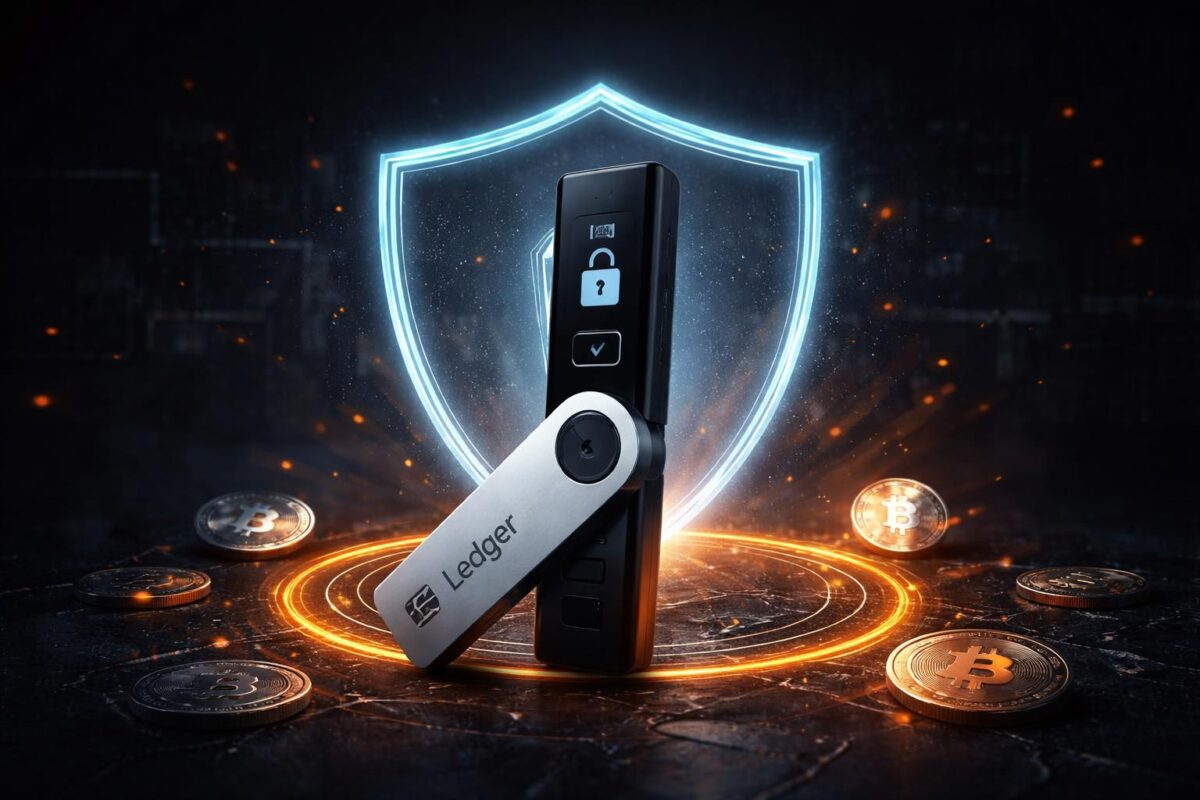
Ledger is one of the best-known hardware wallet brands in crypto, and for many beginners it is the first name that comes up when people start asking how to store crypto more safely. That naturally leads to an important question: is Ledger wallet actually safe? The short answer is yes, Ledger is generally considered one of the safer ways to store crypto, especially compared with leaving coins on an exchange or keeping them in a software wallet on your phone. But “safe” in crypto is never just about the product itself. It also depends on how you set it up, how you store your recovery phrase, and whether you understand the scams that target beginners.
📑 Table of Contents
Quick Answer
Yes, Ledger wallets are generally considered safe, and for many people they are one of the best ways to store crypto for the long term. Ledger is a hardware wallet, sometimes called cold storage, which means the private keys stay on a dedicated physical device instead of sitting exposed on an internet-connected phone or computer. That is a major security advantage. But it does not mean you can switch your brain off. If you buy a Ledger and then mishandle the recovery phrase, fall for a phishing scam, or approve something you do not understand, you can still lose funds.
Crypto Security Tip
A Ledger protects your private keys, but it does not protect your recovery phrase if you store it carelessly. Your backup still matters just as much as the device.
What Is Ledger?
Ledger is a hardware wallet brand that lets you store and manage crypto while keeping your private keys offline. In plain English, the wallet is designed so your most important crypto credentials do not live on your laptop or phone where malware and online attacks are more of a threat. Instead, they stay inside the device itself.
This is part of what people mean by self custody. Rather than leaving your crypto on an exchange and trusting a company to hold it for you, you are taking responsibility for your own access. That usually improves control and can improve security too, but it also means you have more responsibility.
If you are completely new to this, it helps to think of Ledger as a safer vault for your crypto keys rather than a bank account. It is not a place where somebody else promises to fix things if you make a mistake. It is a tool that helps you protect access better, provided you use it properly.
Why Ledger Is Considered Safe
The main reason Ledger is considered safe is that the private keys stay on the device and are not supposed to leave it during normal use. That matters because if your keys are sitting exposed on an internet-connected device, they are more vulnerable to malware, malicious software, and other attacks.
Ledger devices also require physical confirmation on the wallet itself before transactions are approved. So even if your computer has a problem, a transaction still normally needs to be checked and confirmed on the actual device. That extra step is simple, but it makes a real difference.
For beginners, the most important takeaway is this: Ledger reduces the chance that a normal online compromise on your phone or computer will immediately expose your crypto. That is why hardware wallets are often recommended for people moving beyond exchange storage.
What Ledger Protects You From
Ledger is particularly useful for reducing certain kinds of digital risk. For example, if your laptop gets infected with malware, that does not automatically mean the attacker can steal your private keys. If you use public Wi-Fi one day, that does not automatically expose the wallet in the same way a hot wallet can be exposed. If an exchange freezes withdrawals or collapses, your crypto is not trapped there if it is already under your control.
In other words, Ledger helps protect you from some of the most common weaknesses that come with leaving crypto online all the time. That is exactly why many people use a hardware wallet for savings or long-term holdings.
What Ledger Does Not Protect You From
This is where beginners sometimes get the wrong idea. A Ledger is not a magic shield against every kind of mistake. It does not protect you if you willingly give away your recovery phrase. It does not protect you if you fall for a phishing email or fake support message. And it does not protect you if you approve a scam transaction without understanding what you are signing.
The biggest risk with any wallet, including Ledger, is usually human error. People lose crypto by storing the recovery phrase in cloud notes, taking screenshots, typing it into fake websites, or buying devices from untrusted sellers. Those are not Ledger failures. They are setup and behaviour failures, but the outcome is the same if you get them wrong.
So when people ask whether Ledger is safe, the honest answer is yes, but only if you understand what the device can and cannot do for you.
Ledger vs Hot Wallets
Compared with mobile or browser wallets such as MetaMask or Trust Wallet, Ledger is usually the stronger option for security because the keys are not sitting on an internet-connected device. That does not mean hot wallets are always bad. They can be practical and convenient, especially for smaller amounts or regular use. But they are generally more exposed.
A good beginner way to think about it is this: hot wallets are often like the cash you keep in your pocket for convenience, while a hardware wallet is closer to a safer place for money you do not need to access constantly. The exact split depends on how much you hold and how often you move it.
Wallet Safety Guides
These guides compare popular wallet options so you can better understand which type of storage fits your needs:
How to Use Ledger Safely
The safest way to use a Ledger starts before you even power it on. Buy it from official or trusted sources, not random resellers or second-hand marketplaces. Set it up yourself. Write down the recovery phrase by hand and store it offline somewhere secure. Do not take a screenshot. Do not save it in email drafts. Do not keep it in cloud storage because it feels convenient in the moment.
It is also important to slow down whenever you are approving transactions or connecting the wallet to anything unfamiliar. A Ledger improves security, but it is still possible to sign something malicious if you are not paying attention. One of the biggest beginner mistakes in crypto is assuming the device will catch every bad decision for you.
If you want the broader context around storage and platform risk, it is also worth reading Are Crypto Exchanges and Wallets Safe?. That guide explains where wallets fit into the bigger picture.
Crypto Security Tip
Never enter your Ledger recovery phrase into a website, pop-up, DM, or support chat. If someone asks for it, you are almost certainly dealing with a scam.
Should You Use Ledger?
For many beginners, yes, Ledger is a very sensible option. It gives stronger protection than most software wallets and is a good step for anyone who wants to take storage more seriously. It is especially useful for people planning to hold crypto over the medium to long term rather than constantly trading.
The main thing to understand is that Ledger is not the safe option because it makes responsibility disappear. It is the safe option because it gives you a better security setup if you are willing to use it properly. That is a big difference. If you want convenience above all else, you may prefer simpler options. But if you want stronger control and better protection, Ledger is often worth considering.
Wrap-Up
Ledger wallets are widely respected because they solve one of the biggest crypto security problems: they keep your private keys offline and away from the day-to-day risks that come with internet-connected devices. That makes them a strong option for people who want more security than an exchange account or a mobile wallet can usually provide.
But the device is only part of the story. The real test is whether you handle the recovery phrase properly, buy from a trusted source, and avoid scams that try to trick you into giving away access. In other words, Ledger can give you a safer setup, but you still need safer habits.
For beginners who are serious about protecting their crypto, Ledger is often a very good choice. Just make sure you understand that the device helps reduce risk. It does not eliminate responsibility.
Mini-FAQ
Is Ledger safer than leaving crypto on an exchange?
Can Ledger wallets be hacked?
Is Ledger good for beginners?
Should I use Ledger for large amounts of crypto?
Disclaimer: This guide is for educational purposes only and does not constitute financial, legal, or cybersecurity advice. Always verify wallet apps and devices through official sources, and never share your recovery phrase, seed phrase, or private keys with anyone.