

Free Crypto Courses
Build a foundation before you invest.
Short, beginner-friendly lessons that explain crypto clearly.
What Is Self-Custody?
Self-custody is one of the most important concepts in crypto. It simply means you hold your own keys instead of trusting an exchange or company to hold your Bitcoin or other crypto for you. Here’s the beginner-friendly explanation of how it works — and why it matters.
Table of Contents
What Self-Custody Really Means
When you buy crypto on an exchange, you don’t technically control it. The exchange holds the private keys — which means they hold the real ownership. Self-custody flips that: you become the sole owner by holding the keys in your own wallet.
This is the core idea behind the phrase: “Not your keys, not your crypto.”
Why Self-Custody Matters
Self-custody protects you from exchange hacks, company failures, frozen accounts, or withdrawal delays. If a platform collapses, self-custodied funds remain safer because they’re not sitting on someone else’s balance sheet.
It also gives you independence. You don’t need permission to hold or move your own crypto.
For a deeper dive into protection and best practices, see our Crypto Security Guides.
Private Keys & Wallets
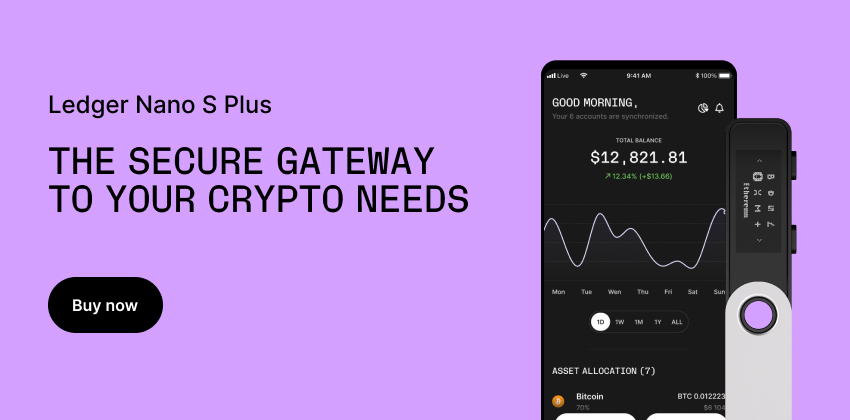
A private key is like the master password that controls your funds. A crypto wallet — whether an app or a hardware device — helps you manage that key safely.
In self-custody, your wallet does not give your private key to anyone else.
Risks to Understand
Self-custody doesn’t remove risk — it shifts it. The biggest danger is losing access to your seed phrase, the backup that restores your wallet. If you lose it (or someone else gets it), your crypto is at risk.
The good news: with a simple, organised backup, this becomes manageable — and the Beginner Course covers the basics in plain English.

How to Start Safely
If you want to try self-custody, start small and practise the basics:
1) Choose a wallet. Start with a beginner-friendly wallet app or a hardware wallet.
2) Back up your seed phrase properly. Store it offline. Never save it in your phone or email.
3) Test a small send. Move a tiny amount first so you learn the steps without pressure.
Our free Crypto Beginner Course is designed for exactly this stage — Build a foundation before you invest.
Free Crypto Starter Pack
- 5 core crypto guides in plain English
- Access to investment calculators to test scenarios
- Free beginner-friendly courses and micro lessons
No spam. Just independent crypto education you can actually understand.
Mini-FAQ
Is self-custody safe for beginners?
Yes — as long as you back up your seed phrase properly and practise with small transactions first.
Do I need a hardware wallet?
Not immediately. Many beginners start with a wallet app, then upgrade once they’re confident.
What happens if I lose my seed phrase?
If you lose your seed phrase and your device fails, you may lose access permanently. That’s why offline backups matter.
Free Crypto Courses
Build a foundation before you invest.
Short, beginner-friendly lessons that explain crypto clearly.
The information in this guide is for educational purposes only and is not financial advice. Crypto carries risk. Always do your own research.